
“They are like nanobot police officers.”: Meet the researchers using viruses to treat patients with antibiotic resistant bacterial infections
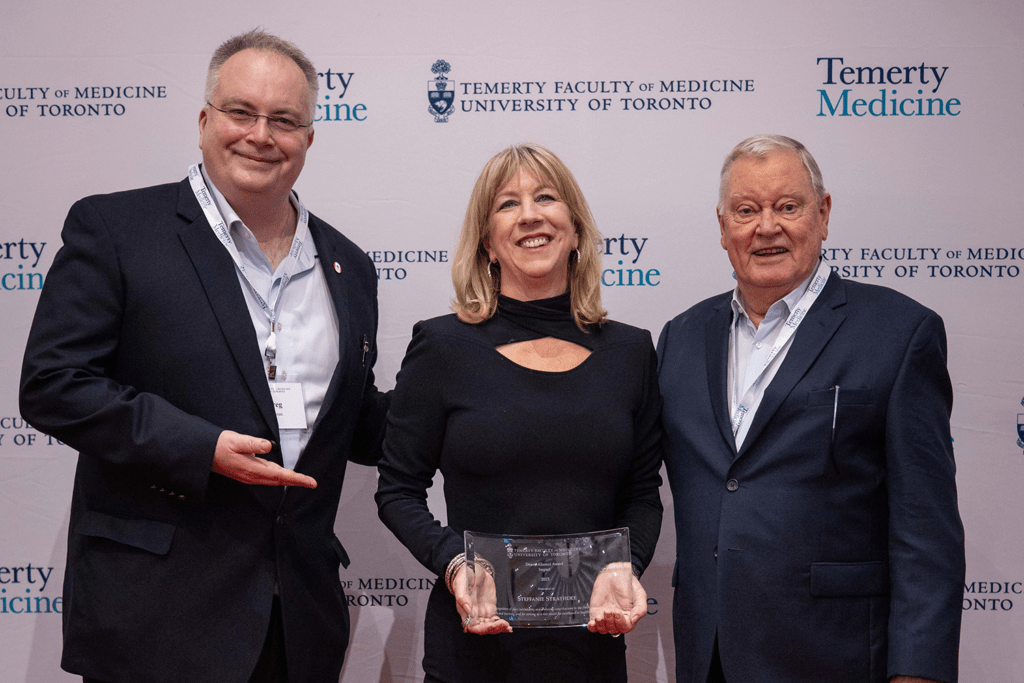
At the October 2025 reception for the U of T Temerty Medicine Alumni Impact Award, Dr. Steffanie Strathdee — an award recipient — is pictured with Dr. Greg German and a fellow guest, celebrating her outstanding dedication to health care, research and education.
Bacteriophages (phages) are all around us. They live in the soil, the oceans, even our gut. Roughly translating from Greek to mean “bacteria eater,” these tiny viruses have been used throughout history to combat bacterial infections, and are now being looked to as a secret weapon against antimicrobial resistance, which kills an estimated 1.27 million people a year.
Two of the leading minds in this race to harness the power of bacteriophages are at Unity Health Toronto: Dr. Gregory German, a Medical Microbiologist at St. Joseph’s Health Centre and Dr. Steffanie Strathdee, current Arthur Slutsky Scholar-in-Residence at Unity Health Toronto and Harold Simon Distinguished Professor in the University of California San Diego (UCSD) Department of Medicine.
They, like other researchers in this growing field, know that phage therapy could have a revolutionary impact not just on human health, but many other fields including veterinary medicine, agriculture, aquaculture, mining, and even prophylactic applications to prevent outbreaks of bacterial infections in settings where there is armed conflict or environmental disasters. There is even scientific literature on the promise of phage therapy in war zones, where they could be used as a counter-measure or prophylactic agent to biological terrorism.
“People underappreciate how fundamental phages are to our world,” says German. “They are like nanobot police officers, going to the site of infection, setting up shop, and doing the work.”
Enjoying this story? Sign up for the Unity Health Toronto newsletter, a monthly update on the latest news, stories, patient voices and research emailed directly to subscribers.
An epidemiologist trained at U of T, Strathdee spent her career studying infectious diseases, particularly HIV, and crossing paths with patients and advocates whose activism reshaped access to life-saving treatments.
When Strathdee’s husband became critically ill with a drug-resistant bacterial infection, she found herself on the other end of the work she’d dedicated her career to.
“All of a sudden, I wasn’t the researcher anymore,” she says. “I was the caregiver. And I had to become the advocate.”
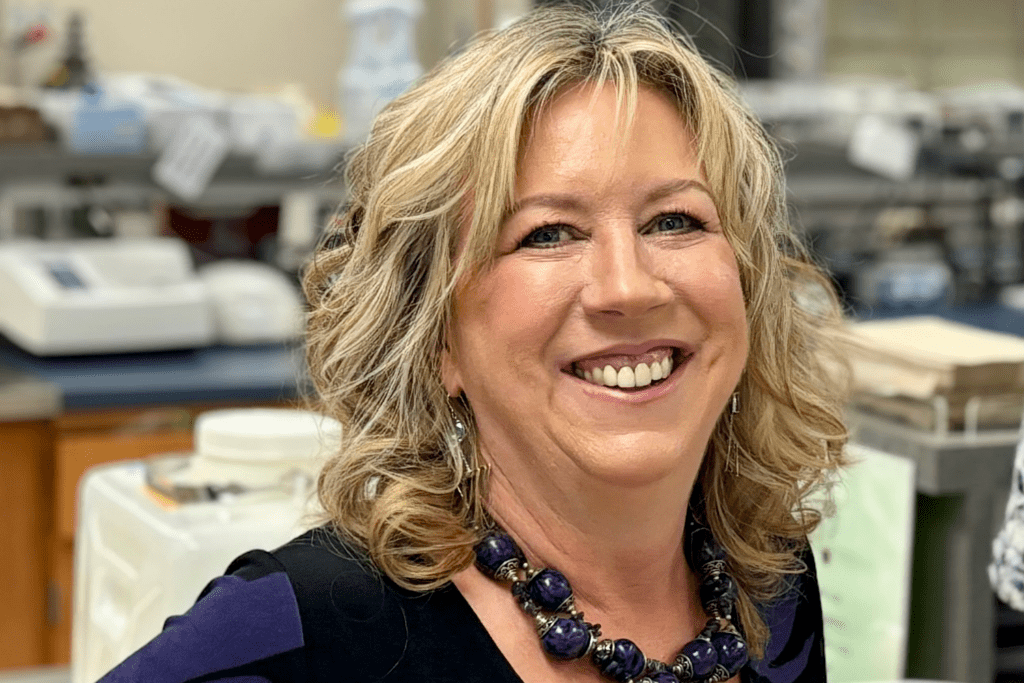
As the antibiotics being used to treat her husband failed, Strathdee remembered something she’d learned as an undergraduate student at the University of Toronto: bacteriophage.
While phage therapy has maintained its prominence in Eastern Europe, it largely fell out of use in Western medicine with the advent of antibiotics in the early 20th century, meaning it is not readily accessible in North America.
Strathdee reached out to researchers she had never met before, and managed to build a team willing to work together across borders, institutions and regulatory systems to help her husband. The phage treatment, which ultimately saved his life, was administered through a compassionate-use pathway in the U.S., which allows patients who have exhausted all other options to access experimental or last-resort treatments.
Recognizing the importance of sharing her learnings and experience, Strathdee authored a book called The Perfect Predator that recounts not only her family’s story, but also the history of phage therapy.
Strathdee, who Co-Directors UCSD’s Center for Innovative Phage Applications and Therapeutics (IPATH), now regularly hears from patients and family members around the world who are running out of standard treatment options and need help being connected to providers of phage therapy.
“I got to save my husband’s life,” she reflects. “But now I’m part of a movement.”
A nightmare on top of a nightmare
Antimicrobial resistance (AMR) is what Dr. Gregory German describes as a “nightmare on top of a nightmare.”
Projections by the Council of Canadian Academies show that if resistance to first-line antibiotics rises from 25 per cent in 2018 to 40 per cent in 2050, 13,700 people could die annually in Canada. Estimates from the Public Health Agency of Canada show that 1 resistant bacterial infection is detected for every 220 patients admitted to acute-care hospitals.
Despite these troubling trends, public awareness of the issue remains quite low.
“You don’t really notice it unless it affects your own life,” Strathdee says. “If I was blindsided as an epidemiologist, then the average person doesn’t stand a chance.”
Widespread antibiotic use, military conflict, international travel, and increasingly complex medical care like cancer therapies, transplants and joint replacements, have fueled AMR.
Phages are precise in their work. Each one targets specific bacteria and attaches to the bacterial cell before injecting it with genetic material to destroy it from within.
But phage therapy isn’t as simple as hooking a patient up to an IV and administering a medication.
Before a patient can receive phage therapy, their team has to isolate the bacteria causing their infection, and then a lab has to identify the right kind of phage for treatment. This isn’t a straightforward process. Some phages are less aggressive than others, and what researchers and clinicians are looking for is a phage that is ready for a fight – fondly referred to as a “rage phage” – but also safe enough and well-matched to the specific infection.
In the case of Strathdee’s husband, the perfect phage was sourced from human waste. This practice, of hunting for phages in sewage systems, is common for researchers, but it means that the process of cleaning, purifying and amplifying the phages adds hours and days to the patient’s treatment timeline and requires the work of specialized labs.
In Canada, most university and hospital labs aren’t designed for phage manufacturing, and regulatory approval for emergency use is extremely rigorous.
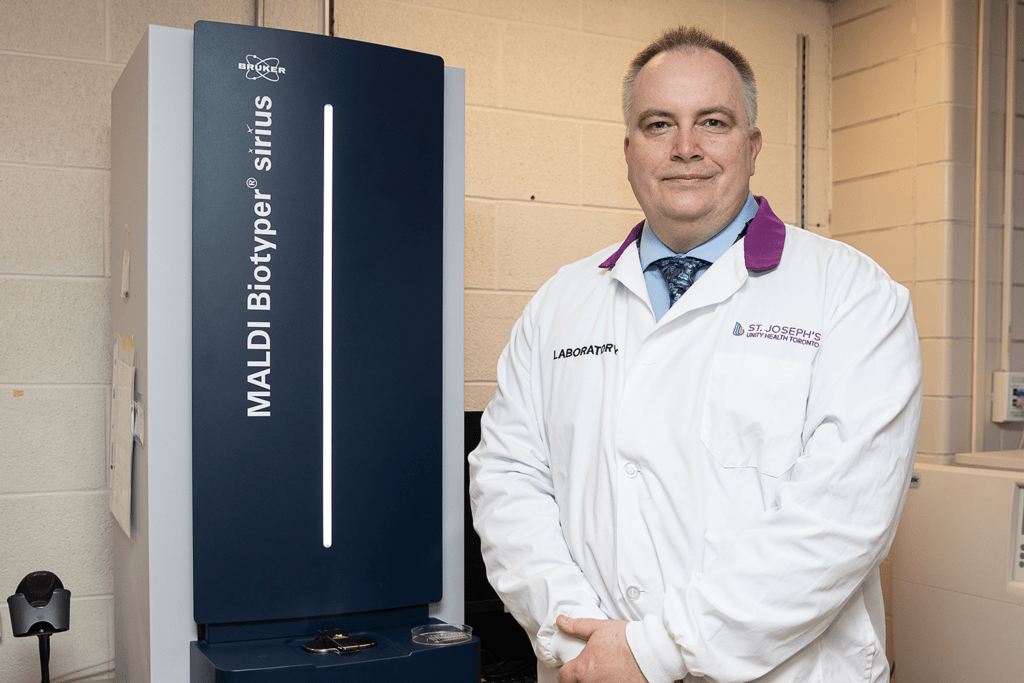
German has successfully treated patients with phage therapy, including one patient whose chronic urinary tract infection (UTI) had evaded antibiotics for years. He led a Canadian-first trial to study the use of phage therapy on these kinds of chronic infections.
Between 1995 and 2023, phages were administered in roughly 1,400 documented cases worldwide, with success rates around 80 per cent. But in Canada, only a handful of cases have been treated, prompting some patients to travel to other countries for treatment.
Building a pathway forward
In 2023, German co-founded Phage Canada, a non-profit organization to support and advance phage research and phage therapy across medical, environmental, and agricultural sectors. His hope is that in the next five to ten years there will be increased funding for phage research to support more clinical trials, national registries and networks to turn what is currently a last-resort, experimental option into a regulated, accessible treatment.
“If we can treat something like recurrent UTIs without using harsh antibiotics,” he says, “we preserve those antibiotics for when we really need them. That diffuses the pressure driving resistance.”
Neither German nor Strathdee envision a world where phages completely replace antibiotics, and one of the aspects they are most excited about is the fact that phages might actually be a tool for pulling antibiotics back from the brink of obsolescence.
When Strathdee’s husband was treated with phages and antibiotics simultaneously, the bacteria that had been wreaking havoc on his body were forced to make a genetic decision to try to evade their attackers. She describes it as the bacteria “taking off their outer layer like a coat” to escape the phages that were trying to attach and enter a receptor on its surface. This left the bacteria vulnerable to antibiotics which would otherwise not have worked.
But for now, the focus is on medicine and on patients who need urgent help.
“In ten years,” Strathdee says, “I see phage therapy used alongside antibiotics as standard of care.”
By Olivia Lavery