
Alberta syphilis cases fell after rapid testing rollout, study co-led by St. Michael’s Finds

Dr. Sean B. Rourke, a scientist with MAP Centre for Urban Health Solutions (left) and Dr. Ameeta Singh, an infectious disease specialist at the University of Alberta (right)
A new study suggests that syphilis cases in Alberta dropped sharply following the expansion of rapid testing and same-day treatment, reversing years of steep increases and growing concerns about congenital transmission.
The study, co-led by researchers with St. Michael’s Hospital, University of Alberta, and Indigenous Services Canada, was conducted as Alberta declared a syphilis outbreak in July 2019 after cases surged among key populations, especially Indigenous communities.
In Alberta, the scale of the crisis was stark: reported syphilis cases jumped from 161 in 2014 to 2,330 in 2019. Between 2015 and March 2024, there were 350 cases of congenital syphilis – where syphilis is passed from mother to child – resulting in 61 stillbirths.
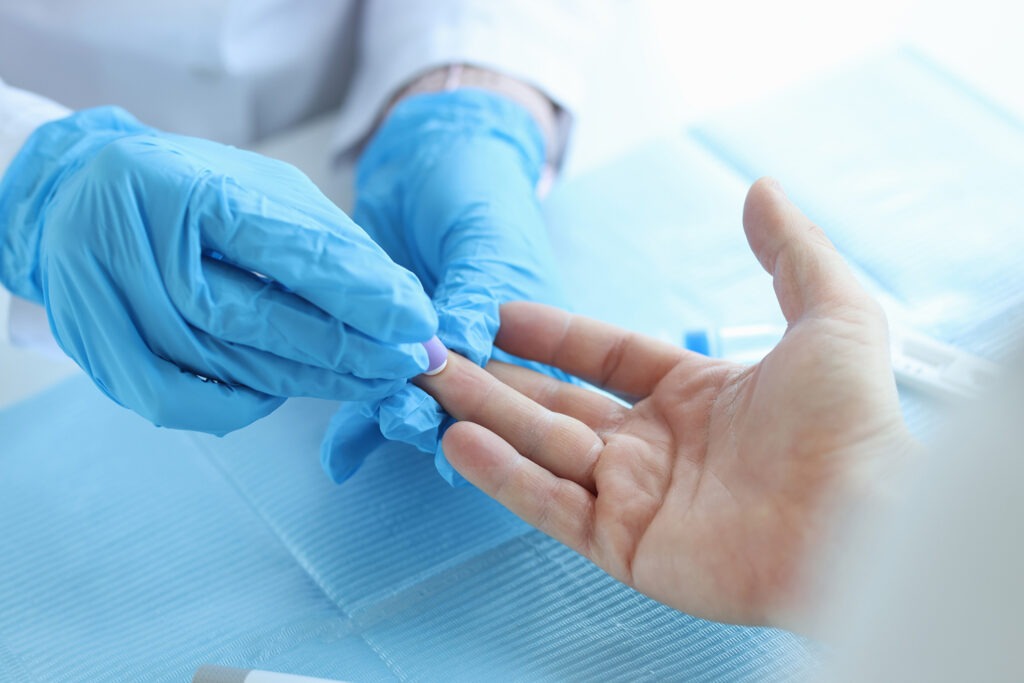
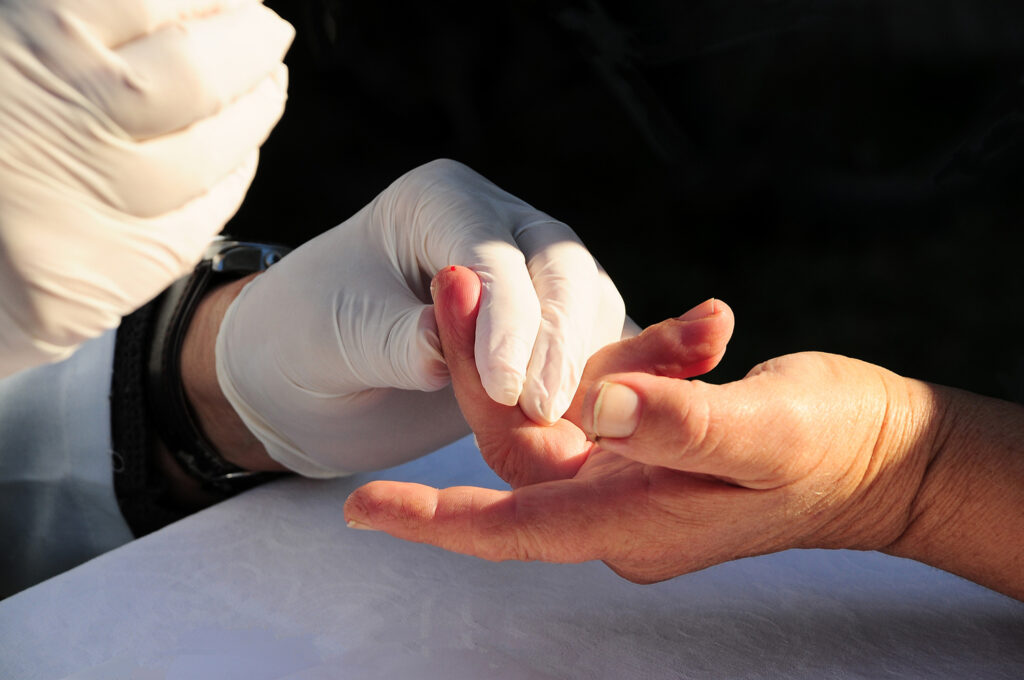
To help reduce transmission, Dr. Ameeta Singh, an infectious disease specialist at the University of Alberta, and her team introduced rapid, point-of-care syphilis testing. This approach allows people to be tested and treated in a single visit, often in community-based or non-traditional settings. A key factor in its success was the use of mobile health teams who reached individuals with limited access to care, providing testing and connecting them to treatment in culturally safe ways.
The province first implemented the rapid point-of-care testing program in Edmonton in August 2020 and expanded across Alberta in March 2022. Researchers used interrupted time-series analyses to evaluate how the rollout affected new syphilis positivity rates, comparing trends before and after the intervention to measure its impact. After the Edmonton rollout, monthly rates dropped by 15 percent, and once the program expanded across Alberta, the decline deepened to 25 percent, the study found.
“Rapid testing didn’t just slow the outbreak, it bent the curve and now the number of new infections is declining,” said Dr. Ameeta Singh, an infectious disease specialist at the University of Alberta. “Expanding these tests, in addition to offering treatment and care, has helped us reach people in remote or underserved communities who are too often missed by traditional healthcare systems.”
Overall, the findings show that introducing rapid syphilis testing was associated with a meaningful reduction in new infections in a high-income setting facing renewed heterosexual transmission and persistent barriers to testing and timely treatment.
“Infectious syphilis is a public health emergency in Canada, hitting communities in Alberta, Saskatchewan and Manitoba the hardest,” said Dr. Rourke, director of REACH Nexus at the MAP Centre for Urban Health Solutions at St. Michael’s Hospital (Unity Health Toronto). “This data show that we can make a real-world impact by reaching more people to test, diagnose, and create crucial linkages to care to help end this health crisis.”
“Our work highlights the importance of having the right healthcare teams in place to engage and support people who face barriers to care, including stigma, discrimination, and racism,” he said.
This study, along with several others, helped contribute to Health Canada’s approval of a dual HIV/Syphilis in 2024 and standalone syphilis test in 2025.
Health officials say the findings highlight the need for accessible, low-barrier testing, as key populations across Canada—particularly Indigenous and remote communities—continue to face disproportionately high rates of syphilis and other sexually transmitted and blood-borne infections.
“Rapid syphilis testing is an important part of delivering culturally safe, trauma-informed care for First Nations, Inuit, and Métis communities,” said Dr. Tom Wong, Chief Medical Officer of Public Health at Indigenous Services Canada. We will continue working closely with partners and community leaders to strengthen community-led solutions and create spaces that support healing and well-being.”
By: Andrew Russell