
In conversation: Perspectives from Black leaders advancing health care at Unity Health Toronto
As we mark Black History Month, Unity Health Toronto reaffirms our commitment to elevating the voices, experiences, and leadership of Black colleagues whose impact strengthens our organization and advances the care we deliver.
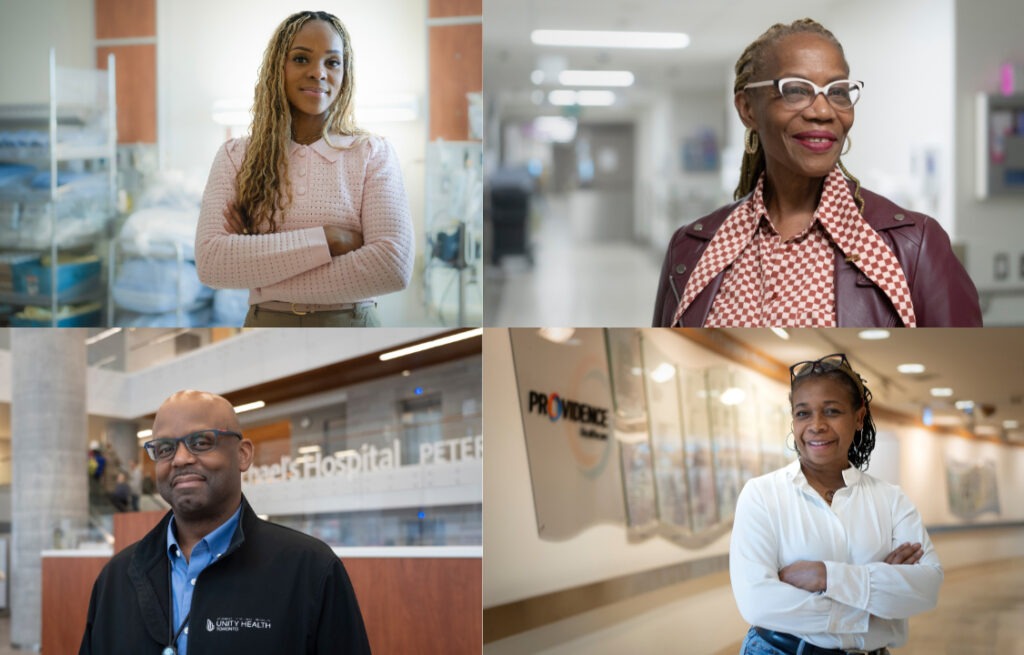
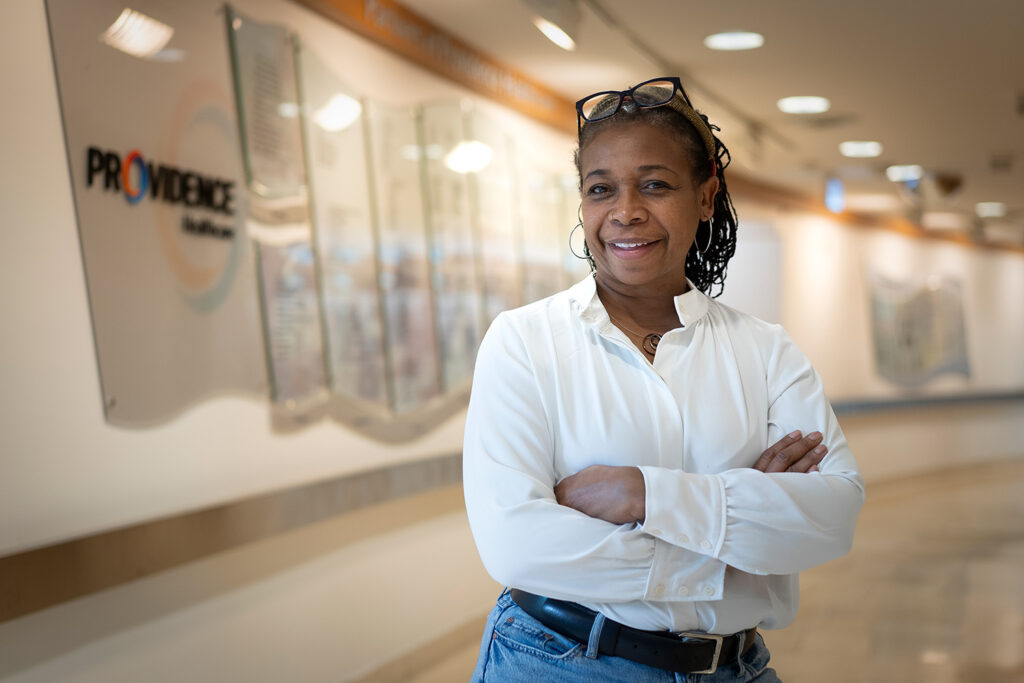
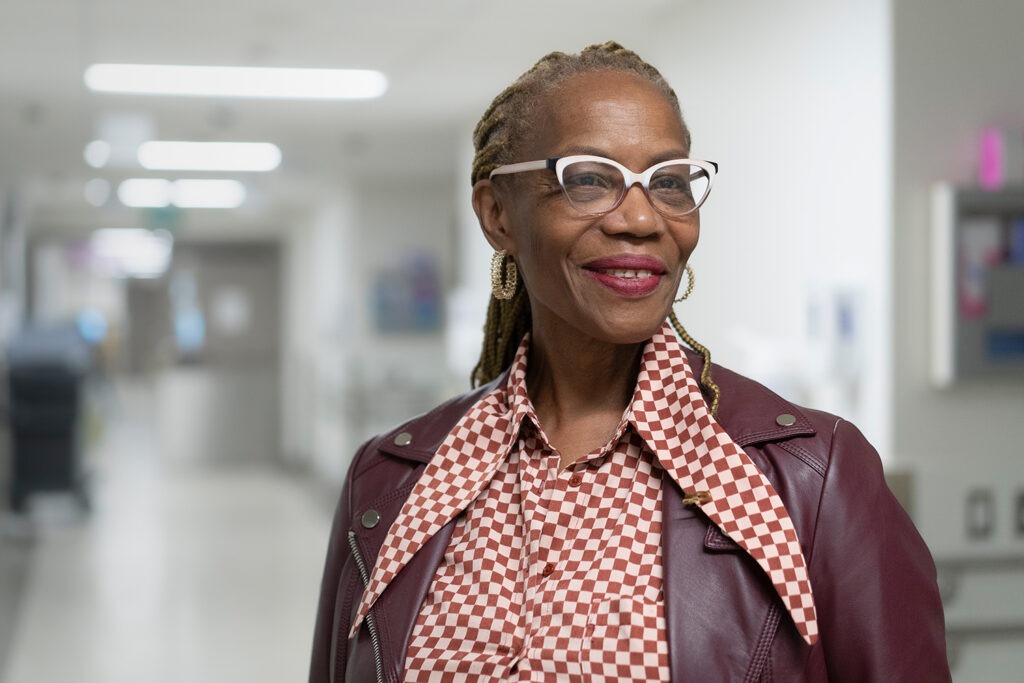
Hear what four Black leaders across our sites — Samuel Coleman, Operations Leader, Registration Services at St. Michael’s Hospital; Faye Roberts, Manager, Volunteer Services; Charmaine Mothersill, Clinical Manager, Oncology and Hematology at St. Michael’s Hospital; and Angeline Benain, Patient Care Manager, Women’s & Children’s Health Program at St. Joseph’s Health Centre — had to say about representation in health care, and its impact on their work and the communities we serve.
Who has had the biggest influence on your journey, and what lesson from them still guides you today?
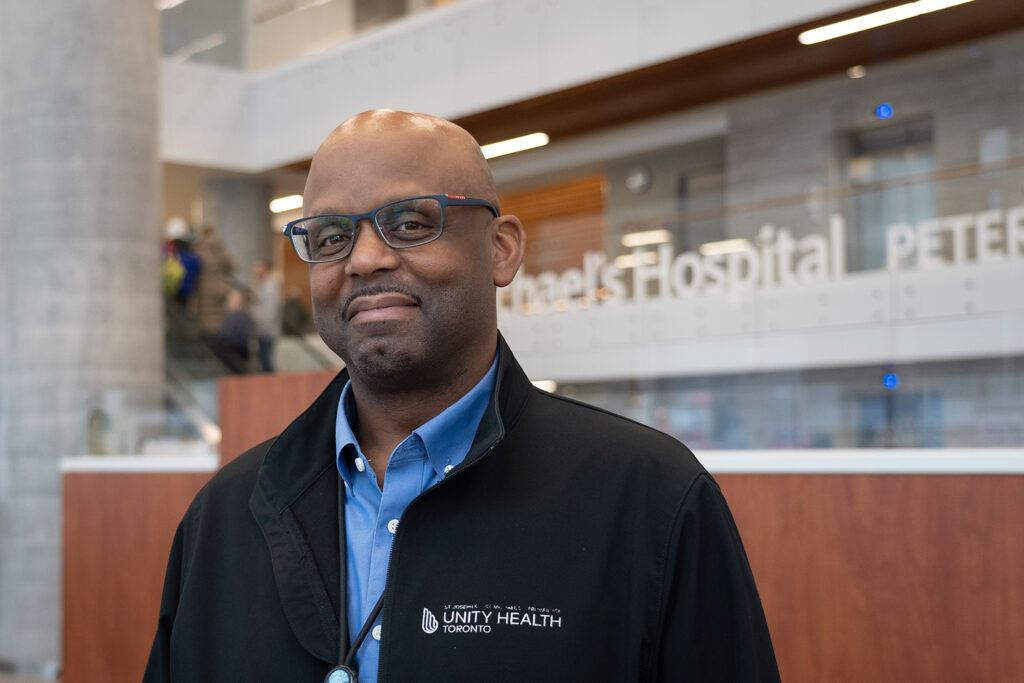
Coleman: My leadership journey has been shaped deeply by my wife and oldest daughter, whose encouragement guided me when I joined Unity Health after a 24-year senior management career in retail. What began as a simple role quickly grew into a larger opportunity — one I almost didn’t pursue until their belief pushed me to take a chance. Now, seven years later, I’m grateful for that decision. With my daughter working here as a nurse and my wife dedicating more than 28 years as an administrative assistant, they’ve taught me persistence, purpose, and the importance of seeing every goal through. As a family-oriented person, their example drives me to lead with excellence and stay true to the mission and values of Unity Health.
Roberts: The greatest influence in my life has been my mother and her journey as a nurse in Canada. Educated in England before emigrating here in the 1970s, she taught me two lessons that continue to guide me: give yourself grace and be gentle with others because you never know what someone is going through — something I saw firsthand when I accompanied her to work and watched her and her colleagues care for patients with kindness under pressure. She also reminded me to remember who I am, echoing a Jamaican saying that although we come from a small island, we are rooted in excellence and power.
Enjoying this story? Sign up for the Unity Health Toronto newsletter, a monthly update on the latest news, stories, patient voices and research emailed directly to subscribers.
Mothersill: At Unity Health, two key mentors have been major influences in my leadership journey. Early on in my career, I joined a mentorship program that strengthened my skills through a framework. It helped me build transparency, improve communication, and learn how to show up confidently as one of the few Black leaders at the table, at a time when representation was limited. With guidance from my mentors, I developed integrity, compassion, and a deep appreciation for people, along with the confidence to make clear and accountable decisions aligned with our organizational values. I also had the opportunity to work closely with Ella Ferris, former Executive Vice President, Clinical Programs, Chief Nursing Executive and Chief Health Disciplines Executive at St. Michael’s Hospital, who encouraged me to expand my voice beyond my Black community and use it to drive meaningful change in health care.
Benain: My mom has been an incredible influence on me. She emigrated from the Caribbean to Canada as a teenager, at a time when there was far less representation and many barriers to overcome. Growing up, I watched her face challenges with resilience, a strong work ethic, and unwavering self-determination. She’s calm under pressure, poised yet empathetic, and has always been a powerful role model. Those qualities shaped my own belief that we can overcome obstacles and achieve what we set out to do. From her, I learned to stay focused, be solution-driven, push forward, and never give up. I carry those lessons with me today and honour her journey and the sacrifices she made.
How can health care organizations move beyond intention to real, lasting change?
Coleman: I think health care organizations design programs with the best intentions, but without the right people involved, they can lose momentum. I believe in engaging those within the organization who are best positioned to drive change, rather than relying on external influences. At Unity Health, we have committed teams like the Office of Anti-Racism, Equity and Social Accountability (ARESA) who are doing the work. With these dedicated individuals now in place, we’re seeing greater consistency and real progress toward lasting change.
Roberts: We first have to accept that change is necessary. I’m guided by Marcus Aurelius’ reminder that “the impediment to action advances action,” because the obstacles we face often point us toward the solution. Letting go of what once worked can be difficult, but adapting to an ever shifting landscape is essential if we want to serve rapidly changing communities and deliver the best care experience. I’m grateful to see our mission in action and to witness leadership willing to assess the path forward with courage. We’re now in a strong position to ensure we don’t go backwards, especially when vulnerable people in the health care system continue to be overlooked. This is how we move beyond intention and toward meaningful change.
Mothersill: Accountability drives real change. As leaders, we must make intentional decisions and embed that mindset into our organization’s mission so it becomes the expectation, not the exception. It’s about building a legacy of action — being transparent about progress, how we measure success, and what we’re doing. It also requires a willingness to be uncomfortable and to stay open to learning, so we can form strong relationships and address real challenges together. I strive to demonstrate transparency, acknowledgment, and accountability, and I encourage emerging leaders to do the same. You don’t need to be an expert, but you must be a truth teller. Bringing diverse voices to the table strengthens decision-making, and my own team reflects that commitment to elevating talent and creating opportunities for others to grow.
Benain: The work of equity can’t be a moment in time. After the attention that followed Black Lives Matter and the murder of George Floyd, the focus shifted as other crises emerged even though the underlying issues remain. We need to stay committed with a clear plan that reinforces and strengthens long-term action, because systemic racism still exists. Health care organizations must continue nurturing initiatives that build inclusion and equity, and hold themselves accountable. It’s not about checking boxes but driving work that leads to lasting impact. At Unity Health for example, we previously released a report that highlighted the experiences of Black health care professionals, and many of its insights still apply today. Sustaining this kind of work is essential to real progress.
How does representation at leadership levels impact staff, patients, and communities?
Coleman: Leadership must set the example. If leaders aren’t engaged, we can’t expect staff, community partners or patients to be. My experience as both a mentor and participant in mentorship programs has reinforced this. When speaking with Black staff, I often hear doubts about achieving their goals because of systemic barriers. As a leader, I believe the way to change that narrative is through visibility, encouragement and mentorship, while showing them they are capable and deserving of leadership opportunities. When leaders model this, it creates a powerful trickle-down effect that helps others see what’s possible.
Roberts: We build trust with staff, patients, and communities by connecting through shared experiences and reinforcing dignity. When leadership reflects the communities we serve and co-designs programs and care plans, we create more responsive solutions to complex challenges. There is real value in earning trust by understanding the issues in health care, and being willing to question ourselves to ensure we’re doing the right thing and moving in the right direction.
Mothersill: Patients and communities want to see themselves reflected in their care. What we do with that insight matters. We need to make changes that truly reflect community needs, and representation at the leadership level plays a key role in advocating on their behalf. Inclusion also means having the right materials, information and resources to support people effectively. Without meaningful representation, we risk missing the full intent and expectations of the communities and patients we serve.
Benain: As a Black woman who engages with the health care system personally and professionally, I see the impact of systemic racism and the importance of representation. Staff need to see Black leaders so they know what’s possible, and I strive to model integrity, high standards and belief in their potential. “I’m here, I hear you, and I am you.” Patients often say they feel a sense of belonging when cared for by someone who shares their language or beliefs, and that connection matters. Leadership at all levels helps people feel safe and seen. We experience the system together, and we’re working to build one that meets everyone’s needs. For our communities, representation also means creating pathways like leadership and mentorship programs that cultivate future leaders and foster an inclusive, innovative environment.
What progress has the organization made that you are proud of, and where do you think more work is still needed?
Coleman: As a member of the Black Staff Affinity Group at Unity Health, I helped lead a report that examined the experiences of Black staff at Unity Health, which was shared with our leadership team. Since then, we have made real progress in how we approach colleagues, patients and communities, and continue to reinforce our mission and values through everyday actions. Another recent example is our return to in-person orientation sessions starting in February. This was an initiative the group helped champion to create space for open dialogue and shared experiences.
Roberts: I’m proud of the stand Unity Health has taken, grounding its commitment to equity that is anchored to our mission and values. Through tools like the Equitable Hiring Practices Toolkit and the offering of education to build our organization’s capacity, we’ve made meaningful efforts to support staff and the communities we serve. The work ahead lies in sustaining senior leadership’s commitment to addressing long-standing systemic issues in health care. By continuing to face these challenges with courage and choosing the harder, more intentional path, we can redefine how we create more lasting trust with our stakeholders.
Mothersill: Last year, we embedded equity-focused questions into an engagement survey and openly shared the results, which was an important step in owning our data. We need to continue addressing systemic barriers in health care through intentional work. While we have helped advance this work, making more of our equity data and progress visible would help show how we’re continuing to move the needle forward. Transparency, hosting workshops and open dialogue can support intentional leadership development, especially for staff returning to school or working toward advanced roles. Investing in our people means creating structures that guide their development and recognize their contributions.
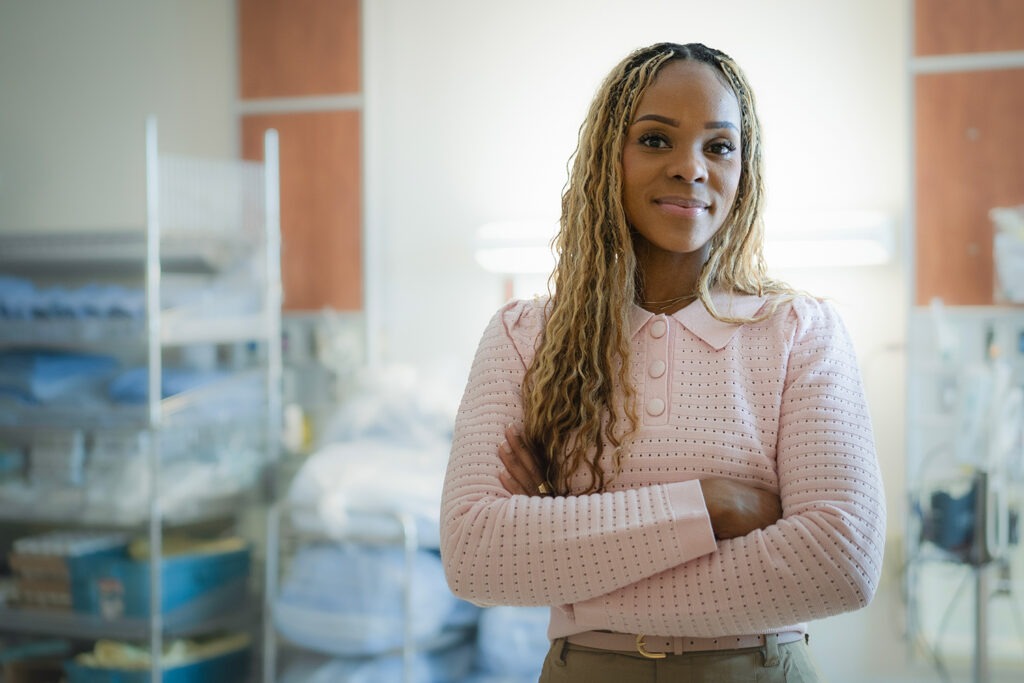
Benain: I’m especially proud of the work Unity Health did on the report that examined the experiences of Black staff. It required honesty and vulnerability, and it showed a real commitment to improving the experiences of Black people in our organization. This investment continues through programs that create meaningful career pathways for staff from diverse backgrounds and reinforce the values we bring to the table. I’ve been part of the Black Staff Affinity Group since day one, and the team is driving initiatives that not only support our staff but help shape what leadership can look like across health care. We’ve made progress in promoting Black and racialized leaders, but there are still opportunities to strengthen representation at the senior leadership level. The more diversity we see in these spaces, the more others will step forward with their expertise. When the needs of those most marginalized are met, we move closer to true inclusivity, and Unity Health has taken important steps in that direction.
This interview has been edited and condensed.
By Emilita Dela Cruz
Photos by Kevin Van Paassen