Centre for Clinical Ethics
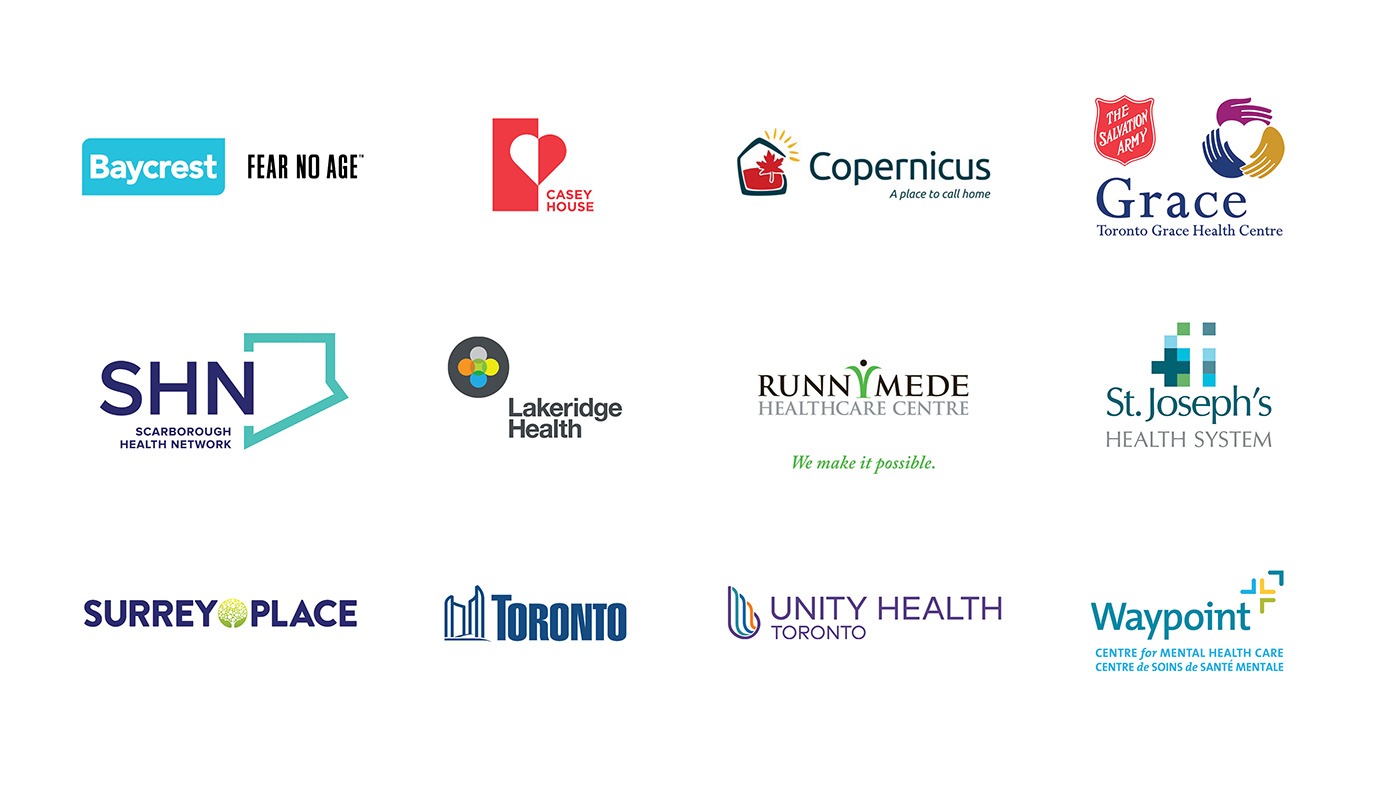
The Centre for Clinical Ethics is a regional ethics service located within Unity Health Toronto. We provide ethics services to a total of 12 healthcare organizations of varying sizes, faith-based and secular, across the continuum of care.
Our purpose at the Centre for Clinical Ethics is to provide expert guidance in compassionate and thoughtful ethical decision-making across health care. We do this through case consultation, education, policy development and research.
We have five guiding principles:
- Human dignity – Respect for human dignity and personhood
- Inclusivity – Care for all who need us
- Partnership – Collaborate with patients, families, caregivers, communities, healthcare providers, learners and leaders
- Trust – Foster and develop relationships of trust
- Reflective leadership – Bring creativity and innovation to healthcare settings and the field of bioethics
Any patient, substitute decision maker, physician or staff member of Unity Health or one of our partner organizations can request an ethics consult.
- For after-hours/emergencies page the ethicist on-call at 416-864-5070 #4211
- If paging, please leave your 10 digit phone number and extension.
1000+
consultations performed
last year

Oldest ethics fellowship
program in the country

Monthly ethics grand rounds
and yearly speaker series

Many scholarship
opportunities
End of life and no-CPR orders: Indigenous perspectives
This speaker series explores the experiences of Indigenous patients within hospital settings, with a particular focus on end-of-life care, no-CPR orders, and the process of death and dying. Grounded in perspectives from both Indigenous healthcare providers and non- Indigenous allies, the sessions acknowledge the ongoing impacts of colonialism— including systemic racism, historical trauma, and mistrust of healthcare institutions— that continue to shape Indigenous peoples’ experiences in hospitals at the end of life.
Jan. 28, 2026
Session 1: Experiences of Indigenous patients in our healthcare system with a focus on death and dying.
This session will explore the experiences faced by Indigenous patients in our healthcare system with a focus on end of life.
- Michael Anderson
- Surgical oncologist and palliative care physician, Strategic Lead for the Indigenous Health Program, University Health Network
- Jessica Demeria
- Indigenous Community Engagement Specialist, Unity Health Toronto
- Victoria Manitowabi
- Indigenous Patient Navigator, University Health Network
Feb. 4, 2026
Session 2: Process of death and dying from Indigenous perspectives
Engagement with patients and families in a culturally sensitive way can help us identify what is important to patients so we can provide the right care. Systemic racism faced by Indigenous patients can disempower patients/families to advocate for what they need. Even well-meaning healthcare providers may have gaps in knowledge about different cultural traditions and may not know what to ask. In this session we will explore some Indigenous perspectives on death and dying to help healthcare providers ask the right questions so we can provide better care for our patients.
- Leonard Benoit
- Death Doula
- Indigenous Health and Partnership Lead, Sunnybrook Health Sciences Centre
- Leslie Saunders
- Manager, Traditional Palliative Care Program, Anishnawbe Health Toronto
- Rod Michano, Shining Thunderbird Eagleman, Bear Clan
- Casey House
Feb. 11, 2026
Session 3: Ceremony as part of the death and dying process for Indigenous patients
For some Indigenous patients, ceremony plays an important role at the end of life. In this session we will describe the ceremonies of some Indigenous groups and try and identify the right questions for healthcare providers to ask to ensure we are providing culturally sensitive care.
- Kahontakwas Diane Longboat, Turtle Clan, Mohawk Nation, Six Nations Grand River Territory
- President and Founder, Institute for the Study of Spirit
- Ellen Kanikatsitsa Blais
- Haudenosaunee Midwife and Co-CEO of Association of Ontario Midwives
- Desiree Lethbridge
- Regional Manager, Tungasuvvingat Inuit
- Kawennanoron Cindy White
- Elder-in-Residence, Women’s College Hospital
End of life an no-CPR orders: Indigenous perspectives
This speaker series is a collaboration between The Centre for Clinical Ethics and The Indigenous Health Program and explores the experiences of Indigenous patients within hospital settings, with a particular focus on end-of-life care, no-CPR orders, and the process of death and dying. Grounded in perspectives from both Indigenous healthcare providers and non- Indigenous allies, the sessions acknowledge the ongoing impacts of colonialism— including systemic racism, historical trauma, and mistrust of healthcare institutions— that continue to shape Indigenous peoples’ experiences in hospitals at the end of life. Through descriptions of lived experiences, Indigenous understandings of death and dying, and the role of ceremony, this series aims to support healthcare providers in developing greater cultural awareness and understanding. The goal is to foster care that is compassionate, culturally safe, and rooted in relationship, so that Indigenous patients and families are treated in a good way during one of the most sacred times of life.
Attendance is free but you need to register using this link.
Physicians will be eligible to receive one Section 1 Continuing Professional Development (CPD) credit as certified by the Royal College of Physicians and Surgeons of Canada. Links for providing feedback and registering for CPD credit will be available in the live session.
February 4, 2026: 12 – 1 p.m. ZOOM
Session 2: Process of death and dying from Indigenous perspectives
Engagement with patients and families in a culturally sensitive way can help us identify what is important to patients so we can provide the right care. Systemic racism faced by Indigenous patients can disempower patients/families to advocate for what they need. Even well-meaning healthcare providers may have gaps in knowledge about different cultural traditions and may not know what to ask. In this session we will explore some Indigenous perspectives on death and dying to help healthcare providers ask the right questions so we can provide better care for our patients.
Presenters:
1) Leonard Benoit
Death Doula
Indigenous Health and Partnership Lead, Sunnybrook Health Sciences Centre
2) Leslie Saunders
Manager, Traditional Palliative Care Program, Anishnawbe Health Toronto
3) Rod Michano
Casey House
February 11, 2026: 12 – 1:30 p.m. ZOOM
Session 3: Ceremony as part of the death and dying process for Indigenous patients
For some Indigenous patients, ceremony plays an important role at the end of life. In this session we will describe the ceremonies of some Indigenous groups and try and identify the right questions for healthcare providers to ask to ensure we are providing culturally sensitive care.
Presenters:
1) Ellen Kanikatsitsa Blais
Haudenosaunee Midwife and Co-CEO of Association of Ontario Midwives
2) Desiree Lethbridge
Regional Manager, Tungasuvvingat Inuit
3) Kahontakwas Diane Longboat, Turtle Clan, Mohawk Nation, Six Nations Grand River
Territory
President and Founder, Institute for the Study of Spirit
4) Kawennanoron Cindy White
Elder-in-Residence, Women’s College Hospital
Read our most recent community reports:
Our services
We provide clinical ethics consultations, organizational ethics consultations including policy development, research ethics review, and ethics education across the continuum of care. Each partner has an embedded ethicist and we provide a 24 hour on-call service for after hours and emergencies.
Ethicists
Last updated March 24, 2026